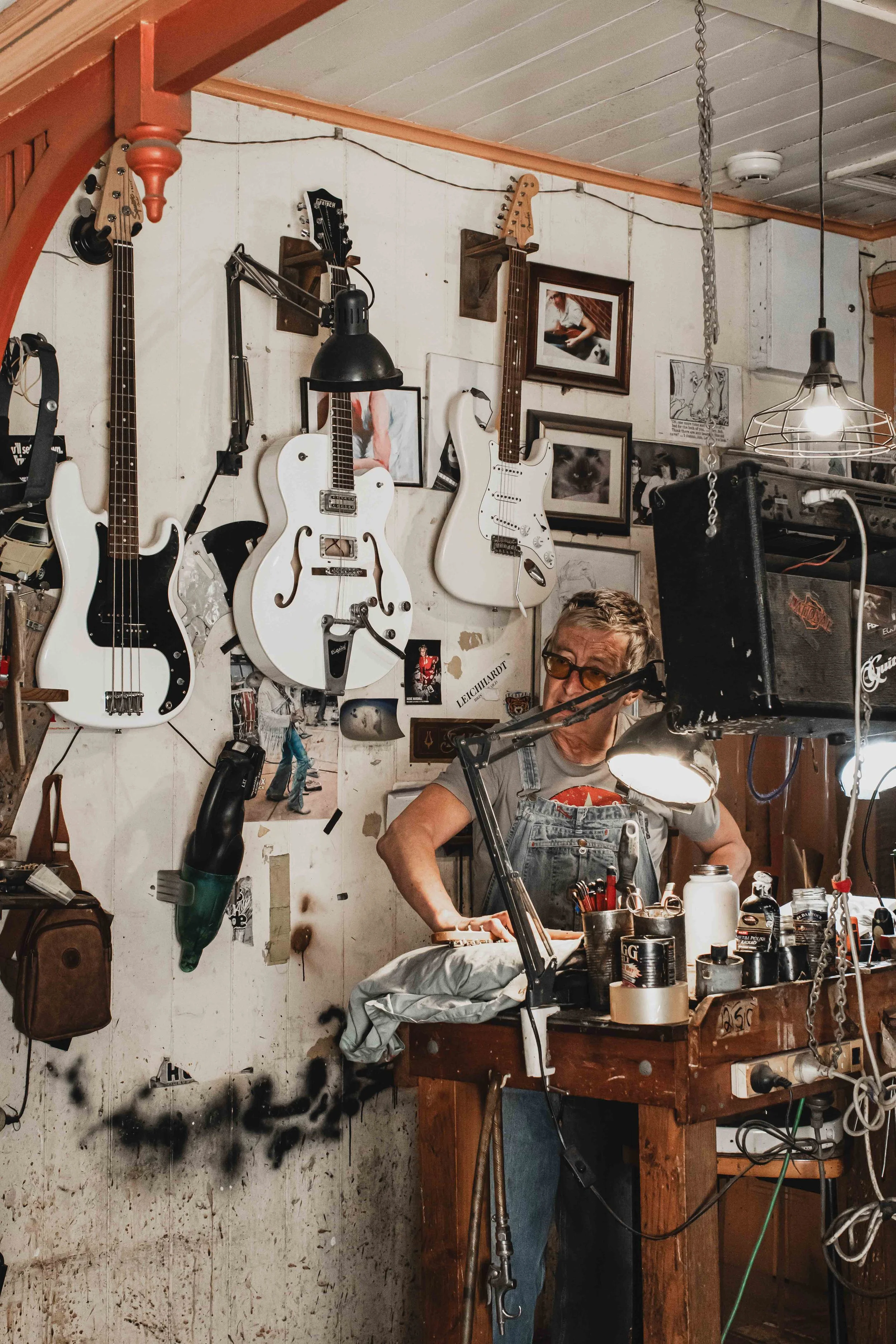
Welcome to our shop
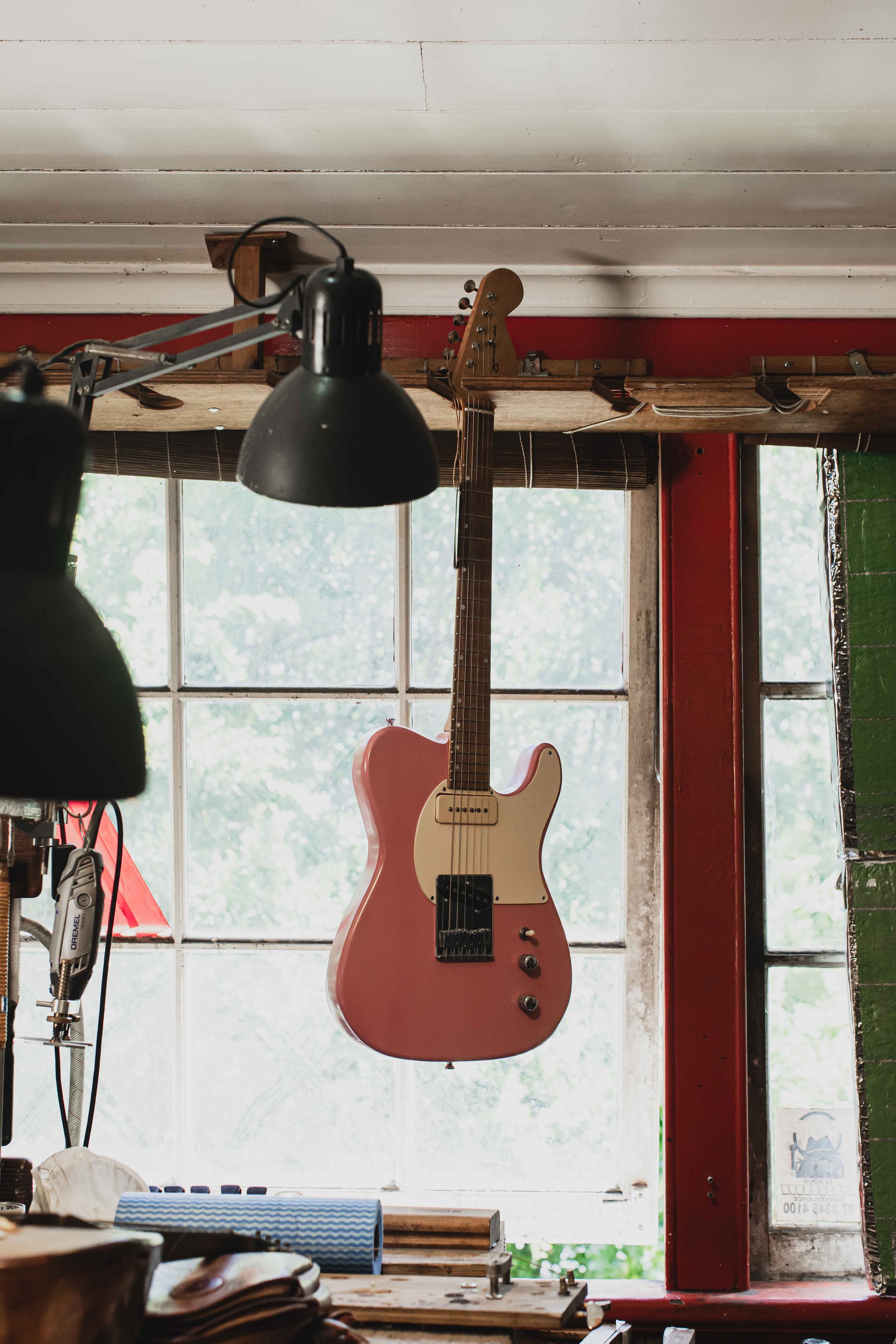
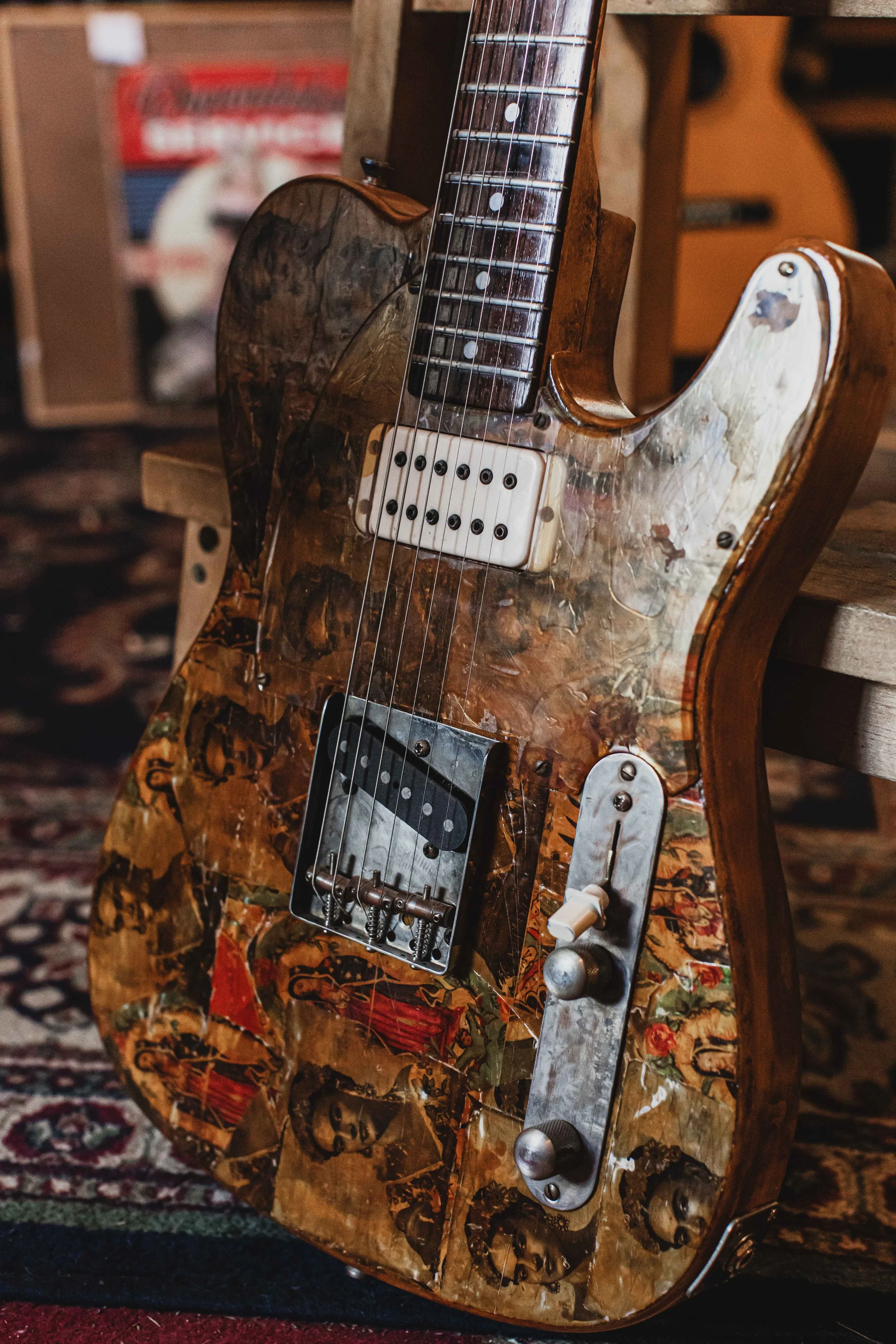
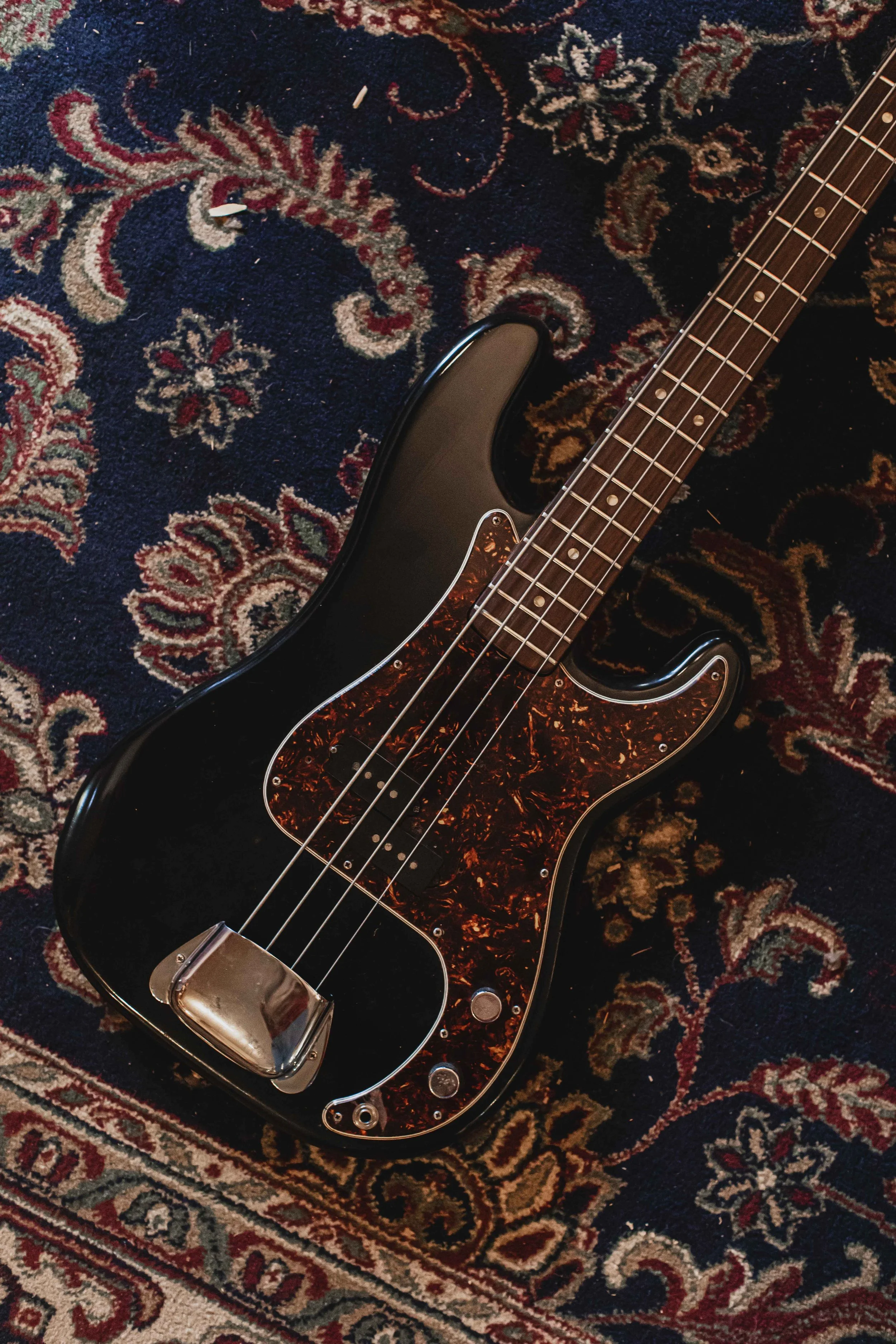
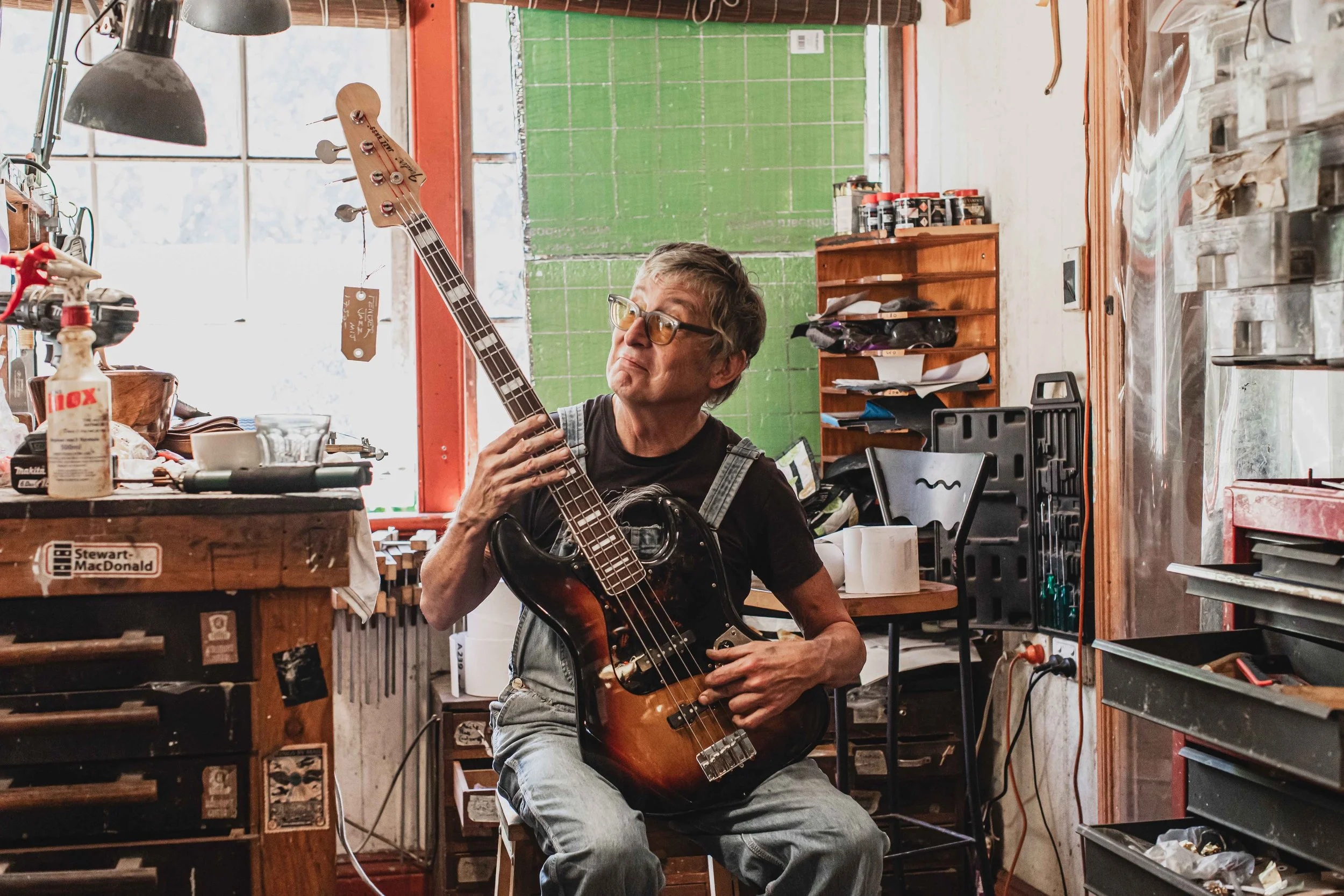
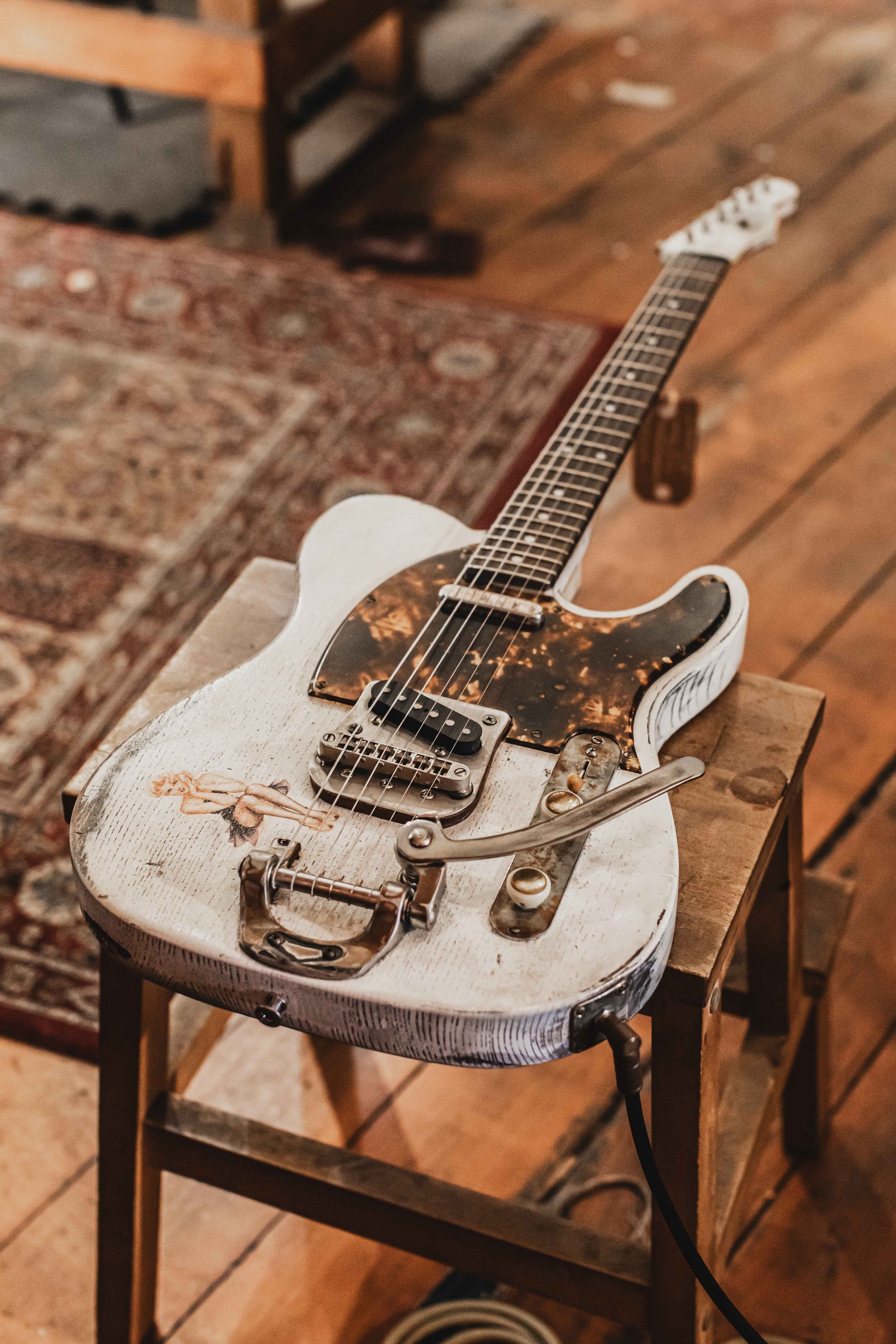
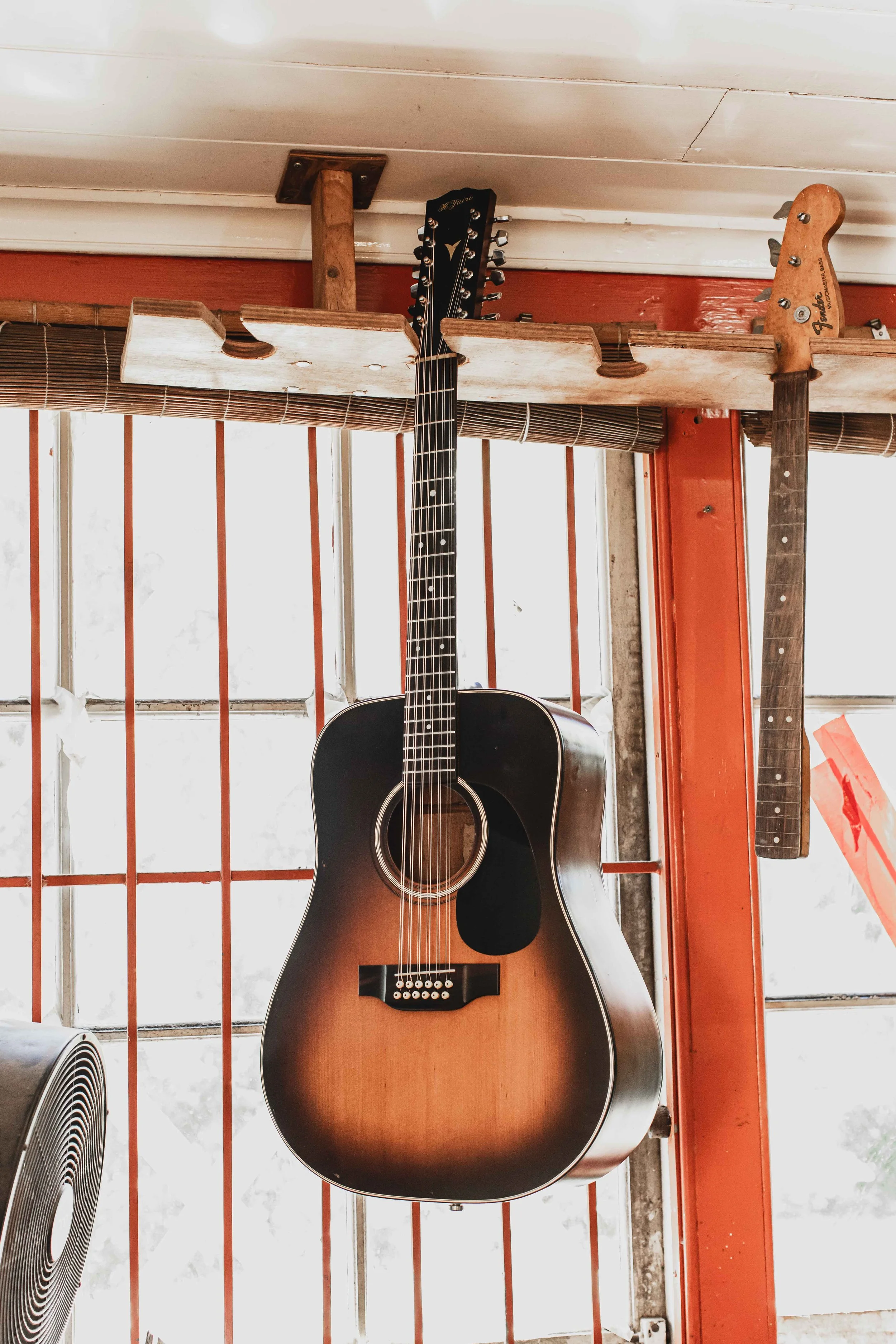
With 30+ years of combined experience, attention to detail, fast turnaround, and honest services, we are confident in being able to make your stringed beauty sing again. From 1890 parlour guitars to our brand new Custom Made Guitars, we’ve got it all.

How can we help?
-

Restorations
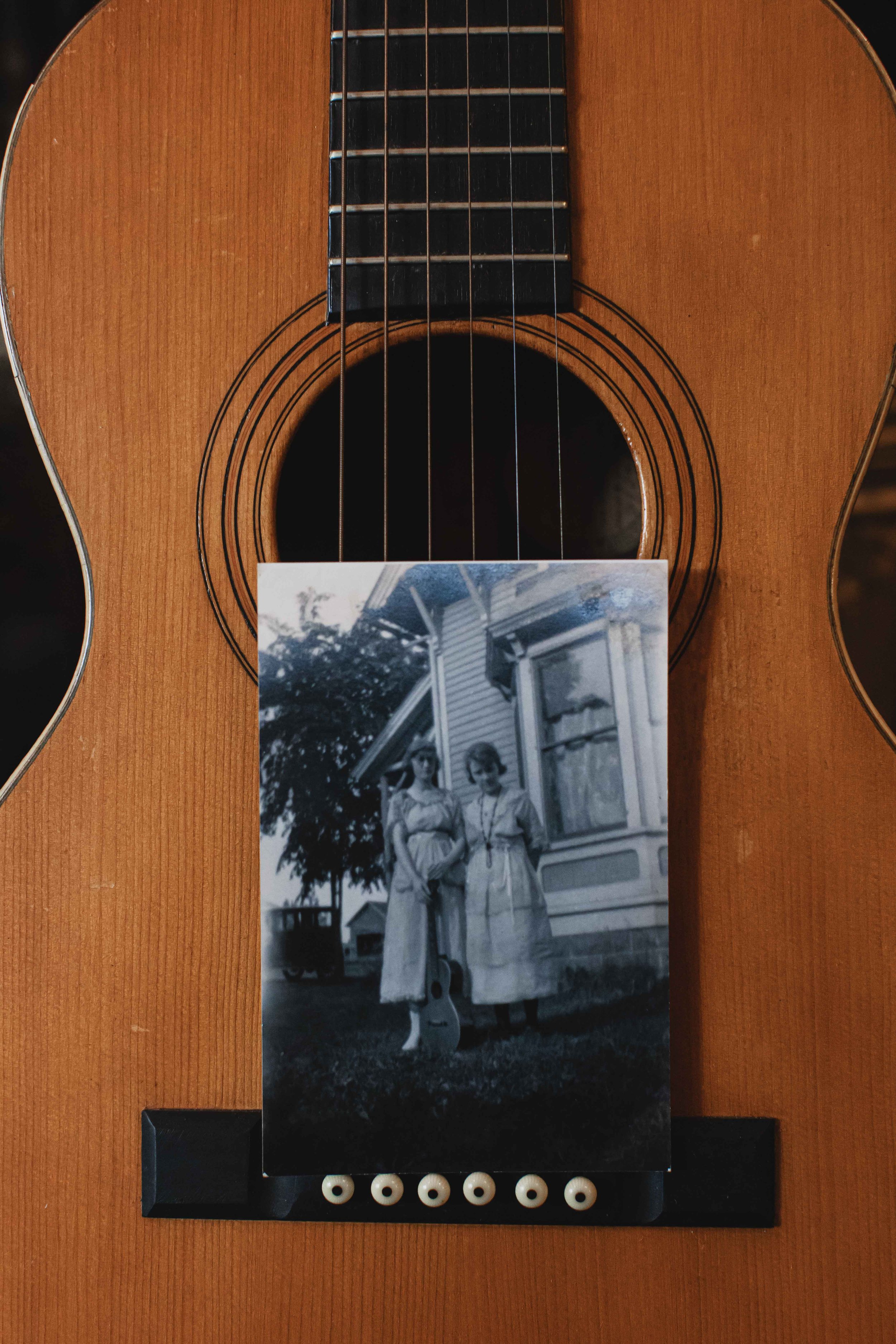
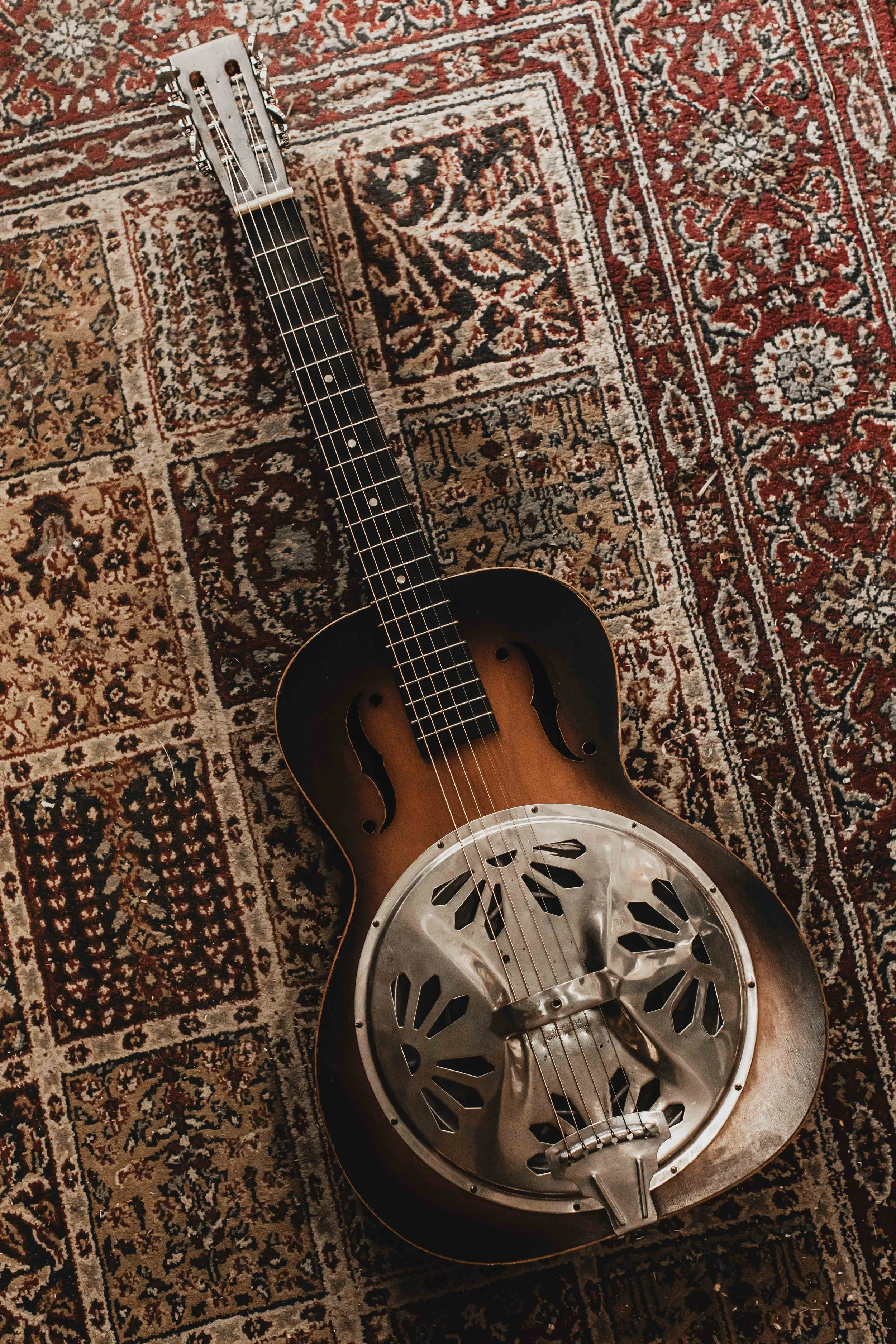
This is where we really shine. We regularly restore guitars – some over 100 years old, and the improvements we can bring about are incredible. There are very few instruments which are beyond saving. The good news is that older guitars have a lot of potential for great tone because of the aged wood, and the manufacturing techniques employed.
-

Repairs
There is a vast array of problems guitars can face over the years, from small buzzes and tonal deficiencies, to broken or failing components. This is all normal. The good news is that we’ve seen everything before, and we know how to fix it! We will usually be able to explain the source of the problem to you right away and offer the best solution or solutions, as well as quoting for the repair.
Guitars &
Other Ramblings
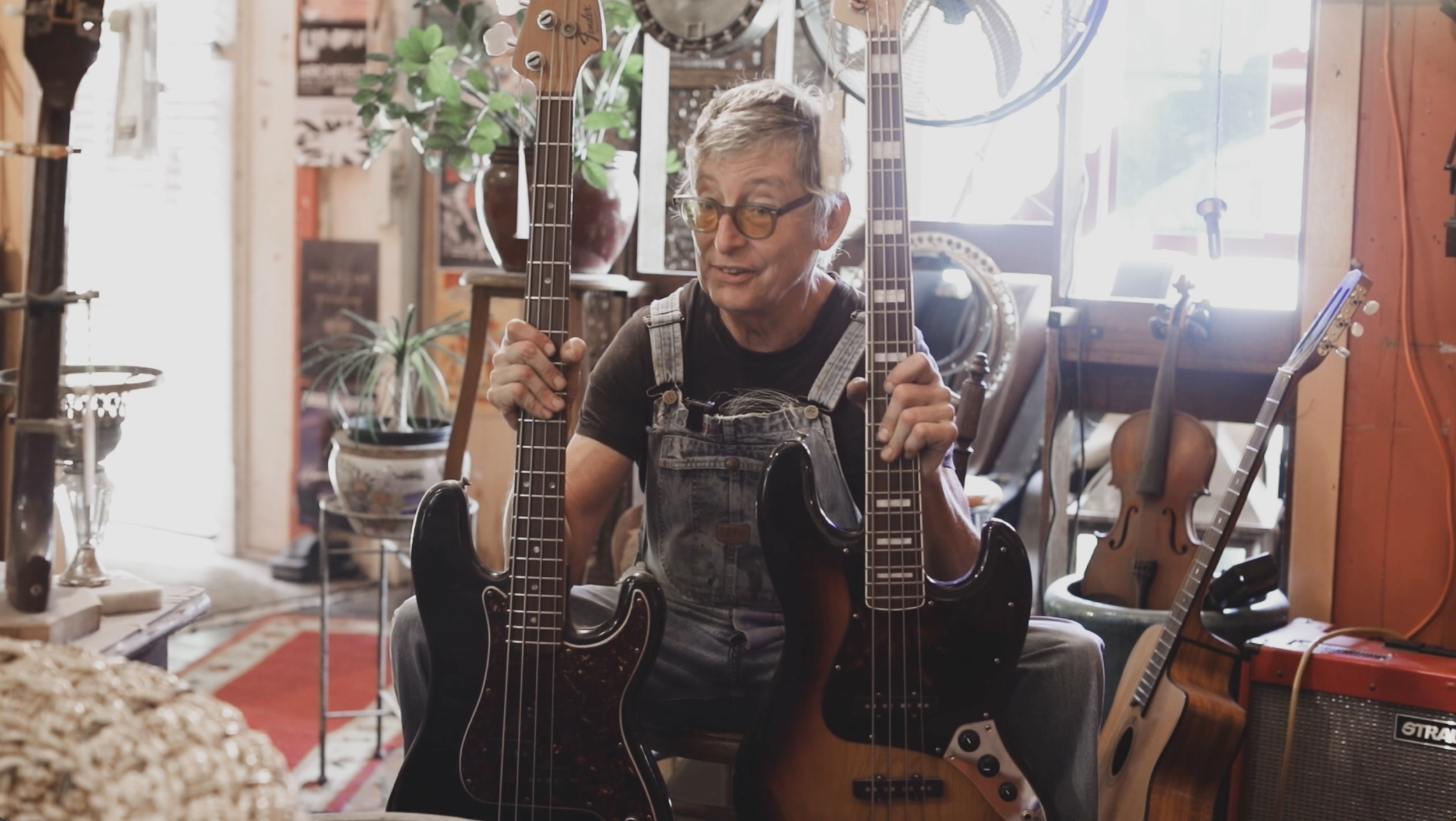
Explore our guitars for sale, recent work, unsolicited advice, and stories of life and luthiery from John.