Gibson S1 Restoration

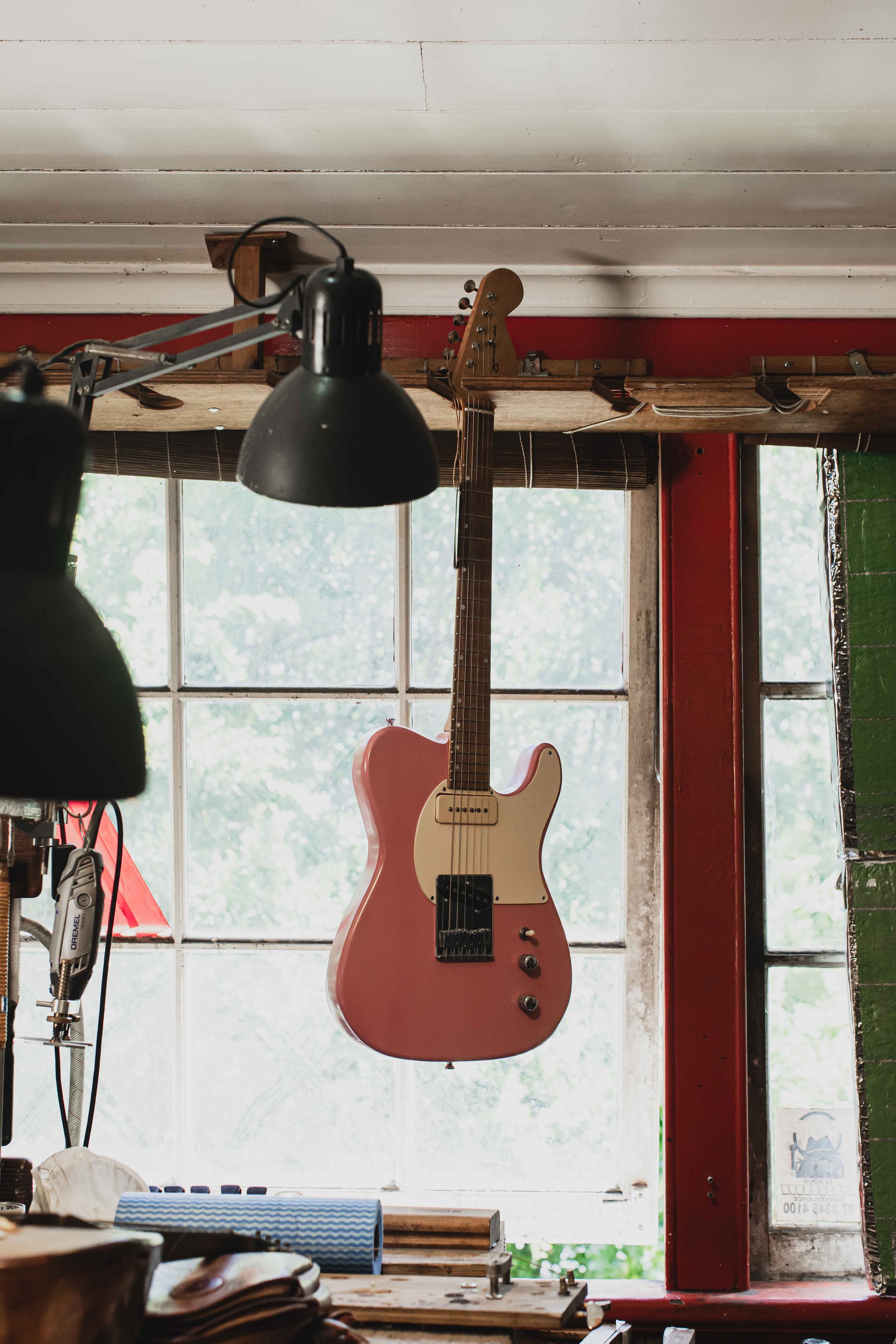
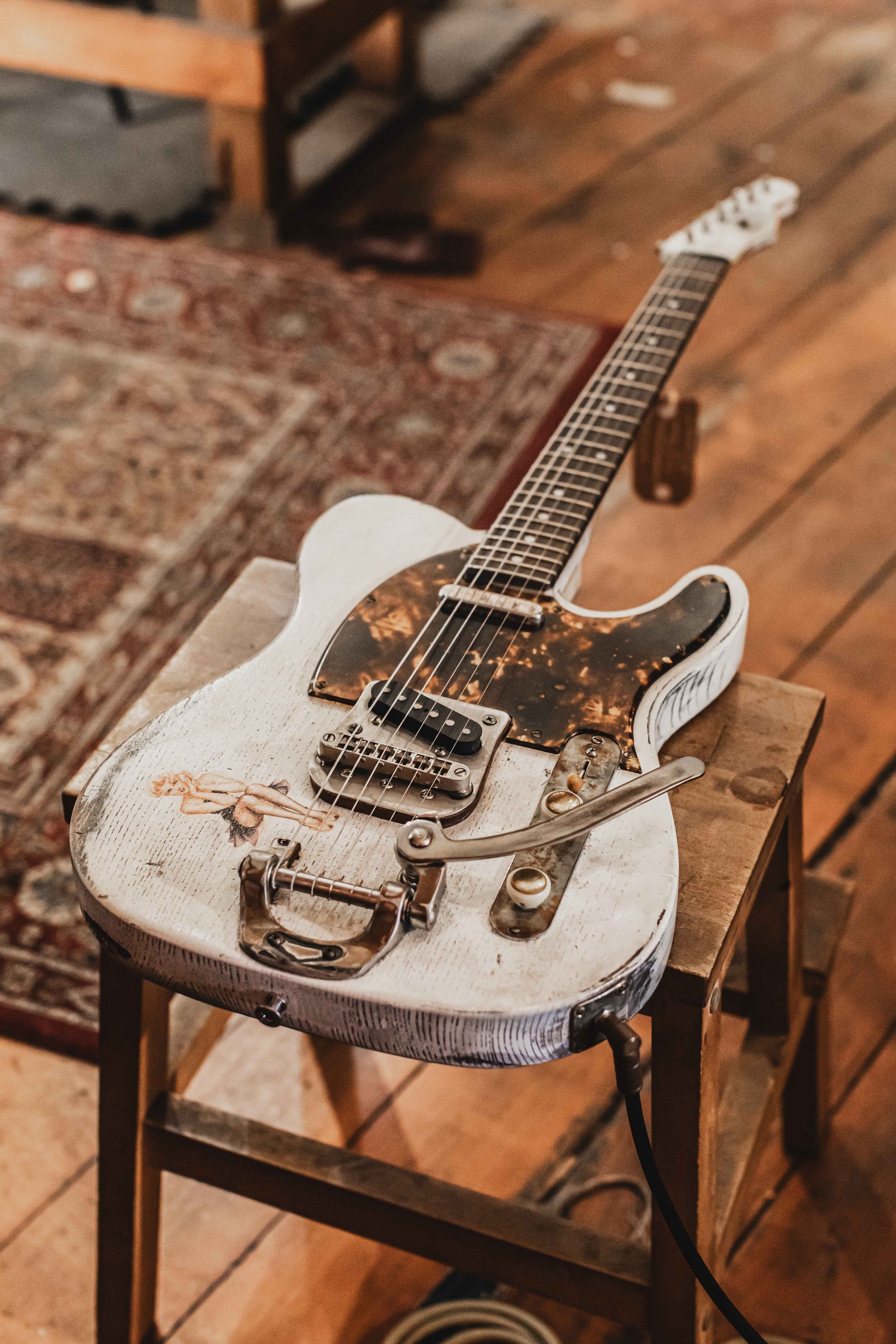
dscf8931 This guitar came to us in an abysmal state. Painted green with a brush and housepaint, directly onto the woodgrain. the customer wanted us to sand it back to get a lovely Mahogany wood grain finish. The odds of getting this were nonexistent. But we didn’t give up there.  Will Beckwith worked his usual finishing magic and tirelessly sprayed the entire body and neck a beautiful off white. Working through such problems as moths and flies being attracted to the drying white paint and getting stuck inbetween coats, much to his disdain. But the end product was totally worth it, we installed a bigsby, cleaned up all the original hardware and a put on a new set of machine heads. It came up looking pretty spiffy indeed.

Gibson LGO

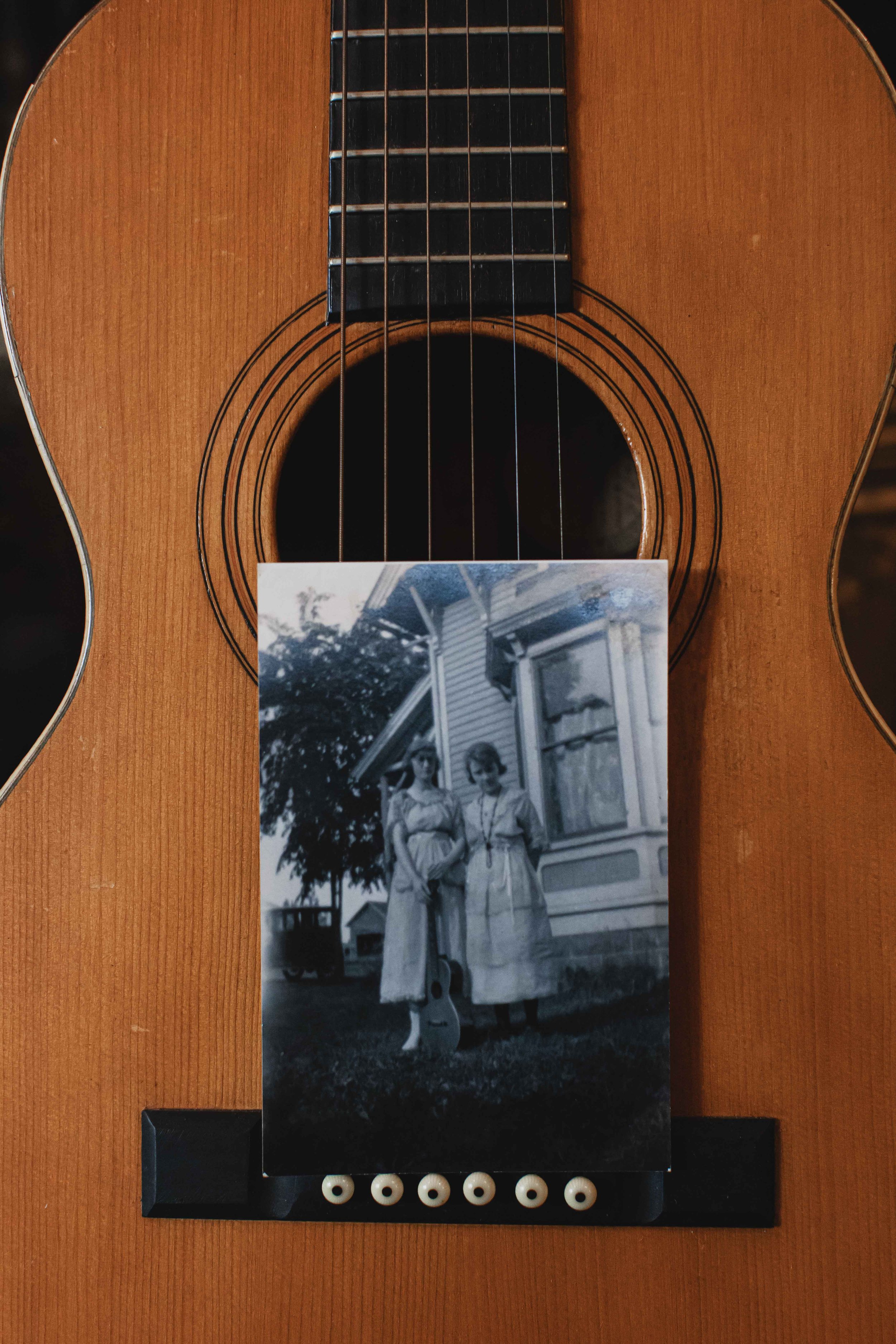
This is a Gibson LGO made in the 60’s it sports all Mahogany back, sides and neck. It has a nice warm tone with a good midrange. We got it in pretty bad condition and Luke did a full restoration on it. New bracings, new rosewood bridge, full refret and a new bloodwood nut and saddle. now she sounds as good as she looks :)

NOT FOR SALE ANYMORE

dscf8687

The Wonders of Vintage Japanese Guitars

There are sooo many old Japanese acoustic guitars out there. Some are lying under beds, some have been bequeathed to younger members of the family and sadly, way too many will eventually end up at the dump. We love nothing more than to get our hands on these under appreciated beauties. Why? I hear you say. Well, it’s like this.

1. Build Quality. The Japanese were for many years the masters of replicating everything from cars to guitars. Their attention to detail was nad still is meticulous, especially when it came to copying and replicating American guitar design.

2. Materials. The timbers used to make these guitars were sourced from every corner of South East Asia. These timbers were “old growth”; in plainer words, the timber was taken from established forests. The advantages of this type of wood are long term stability and strength. Further to this, many of these timbers were species that are now on the endangered list and are therefore illegal to log and/or export. Now, while we consider the cutting down of established “old growth” forest timber a crime, it would be an even bigger crime not to make the most of what is already there. Whilst the build quality of the modern Asian made guitar (i.e. China, Indonesia, Vietnam etc) is exceptional, most of the timbers used are “plantation” timbers or more overly “new growth” timbers. Though this forestation is certainly light years ahead ecologically, it tends to yield timber which is brittle and can be unstable, making many repairs, such as a broken headstock untenable.

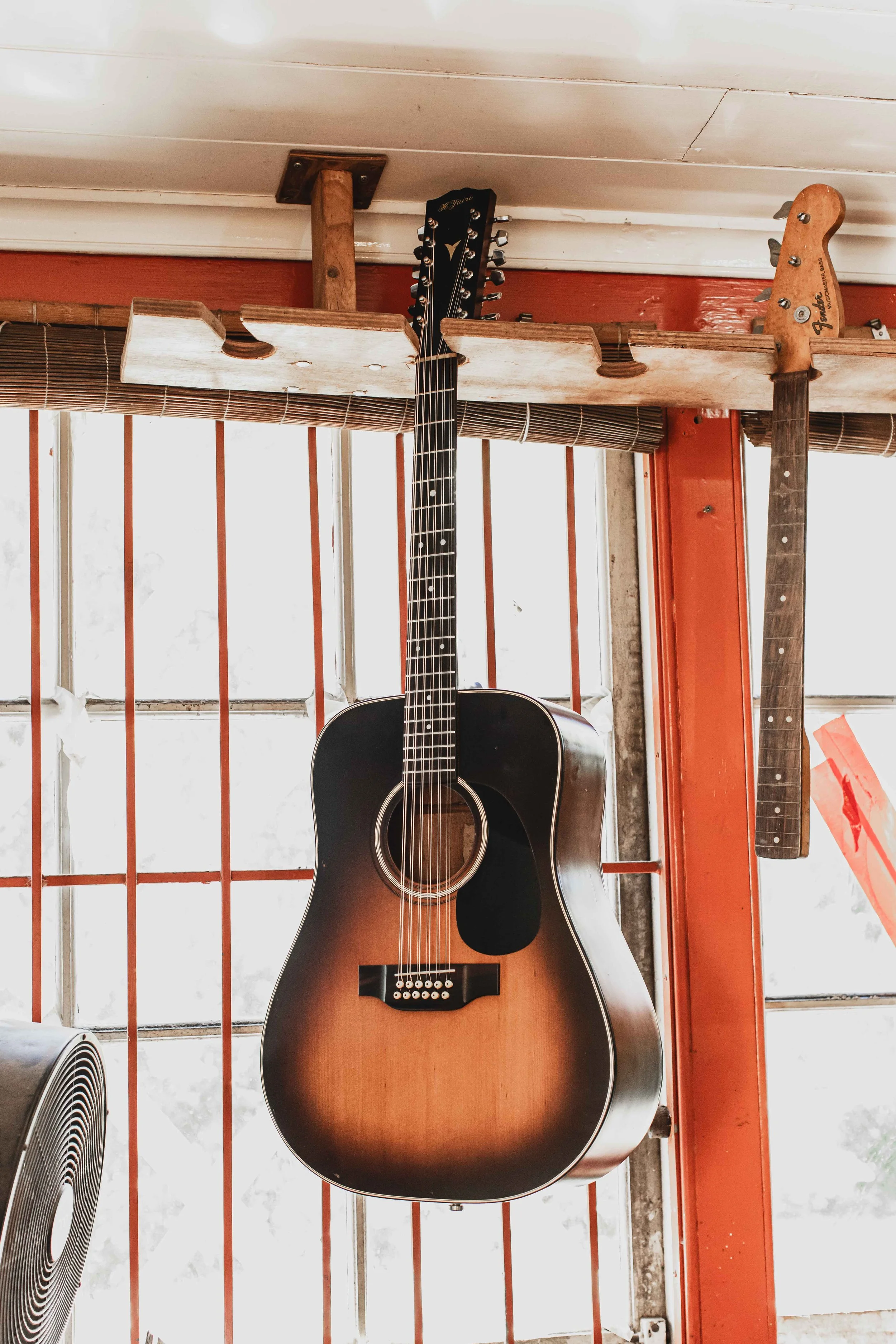
The moral of this story is simple, if you have an old Terada, Yamaha, Ibanez, Suzuki, Yairi, Tokai, Takamine, Emperador, Morris, Pearl or Tama (yes! they made guitars to) just to name a few, you probably have a guitar that given the right bit of TLC will wipe the floor with most of its modern competitors, including those beautiful guitars that cost $2000.00 plus. Ok Then, enough of my yacking, enjoy the pictures.

BEFORE

AFTER

Maxim by Maton

maxim

Maxim by Maton

This is one of our fully customised, Maton made Maxim ‘HotRods’ circa early 60s, we think it’s the best one we’ve done.
• 3 x P90s!
• Bigsby!
• Sexy cool…

$1850.00

SOLD

Maton Supreme

To be Restored

dscf8118_rs